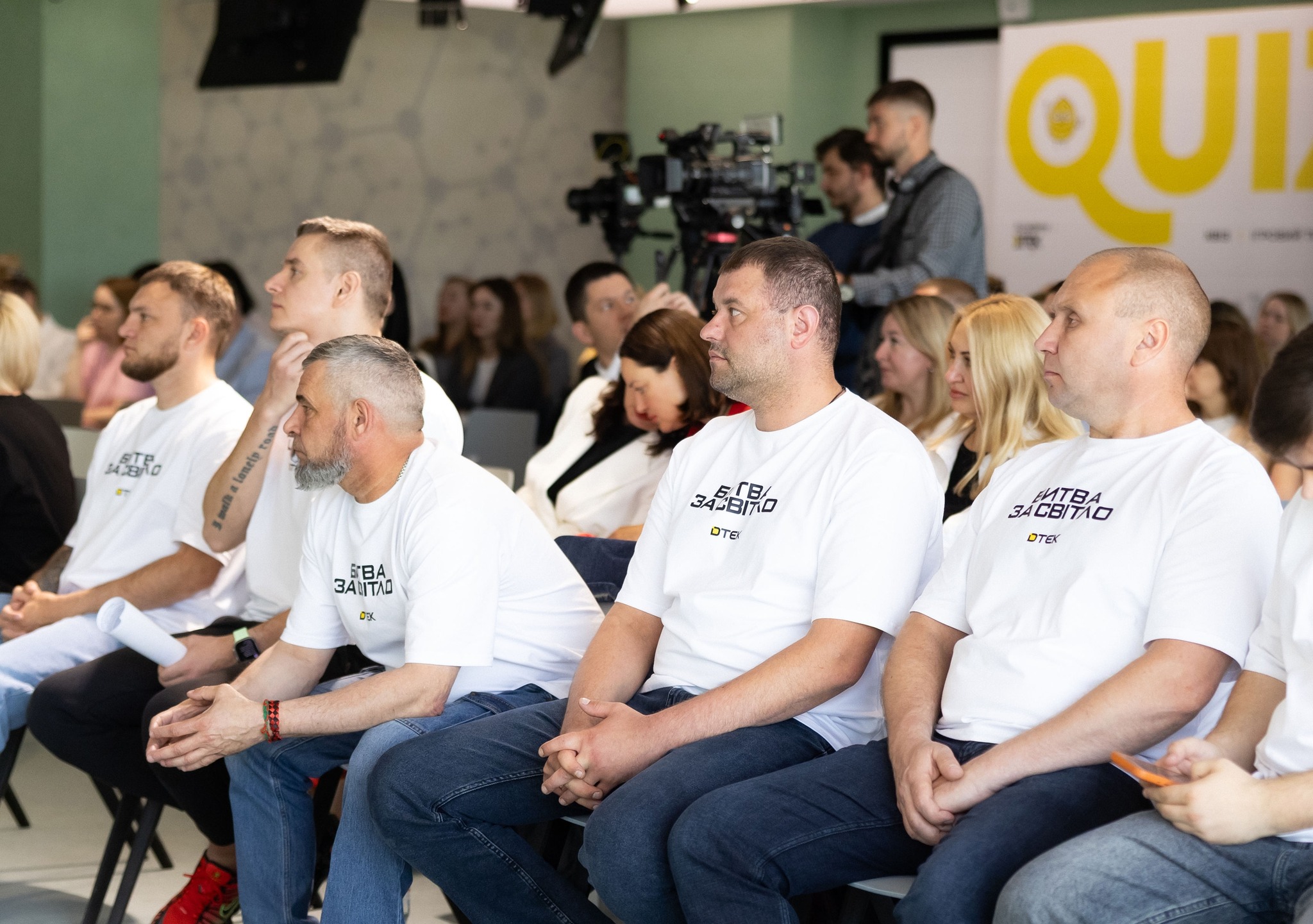
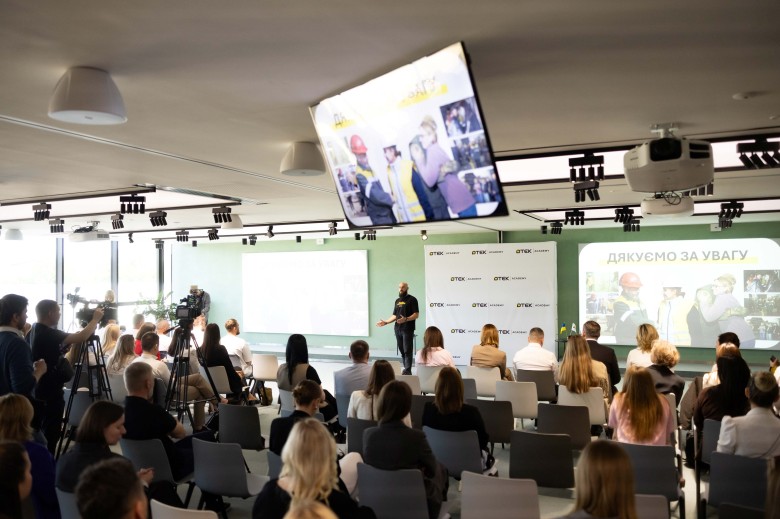
Today, 2 June, DTEK, part of Rinat Akhmetov’s SCM, presented a tool unique for Ukraine for matching vacancies for people with disabilities, including veterans. The tool was given the symbolic name “MOZHU” (literally – ‘I CAN’).
“We developed this tool primarily for our male and female veterans who return after service with disabilities acquired as a result of the war. Its key function is to translate complex medical disease classifications into a language understandable to industrial enterprises, combine this with working conditions and at the same time take into account a person’s experience and potential. As a responsible employer and a reliable partner of the state, we are sharing this experience to make the employment process for people with disabilities effective across Ukraine,” commented Olena Semych, HRD and Director of Academy DTEK.
The MOZHU tool helps employers select vacancies for people with disabilities based on a medical report, knowledge, skills, professional experience, a person’s functional capabilities and workplace conditions. An HR specialist at a production site enters data from a person’s medical extract into the system and selects the region or specific enterprise of interest to the person. The system automatically compares the entered data and selects specific vacancies.
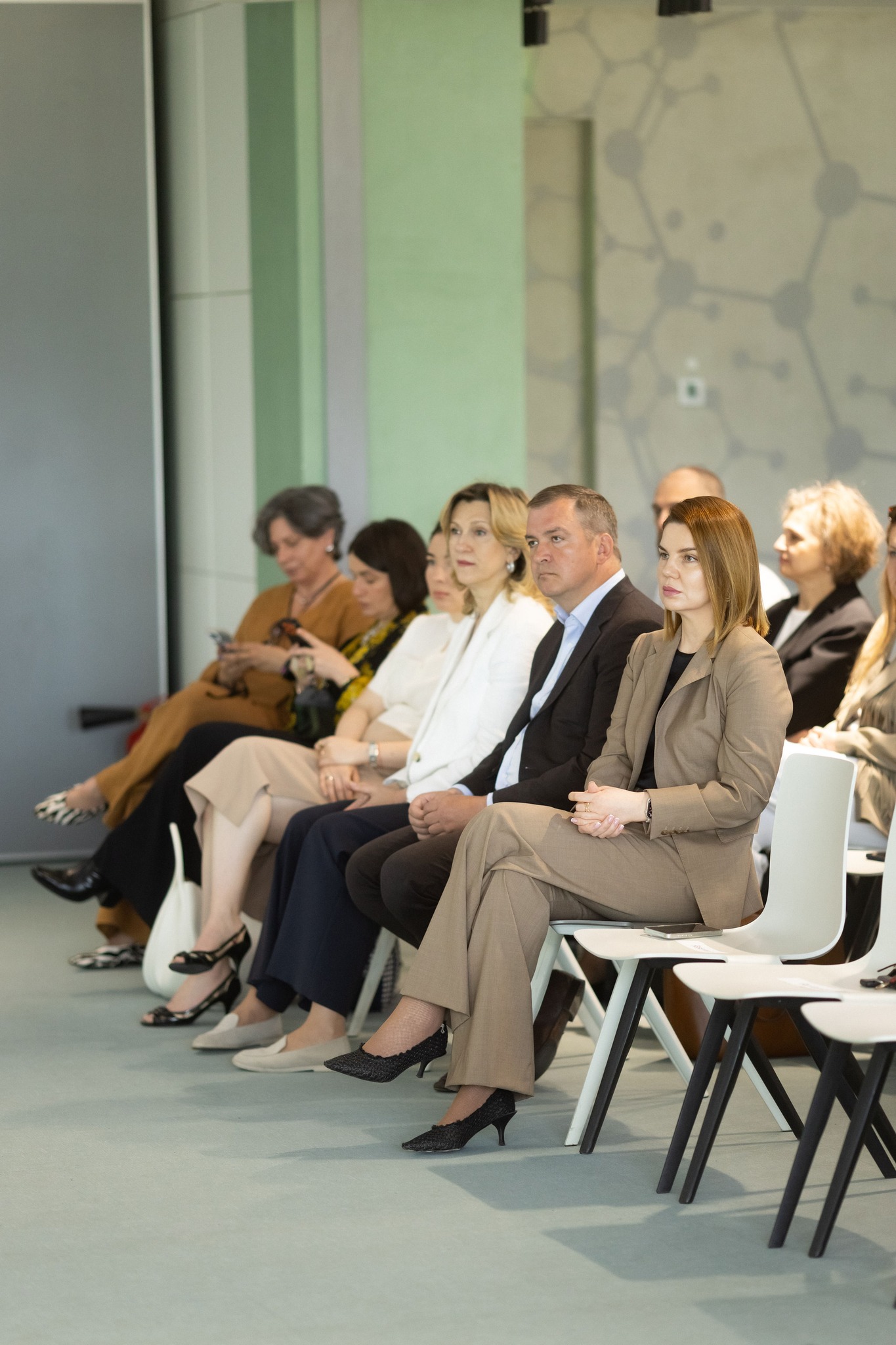
DTEK believes this approach can be useful not only for the company but also for other employers in Ukraine. That is why, during the presentation of the tool, the company shared its experience with representatives of the state, the public sector, employment centres and Ukraine’s largest employers to help promote such practices at the national level in the future.
Dariia Marchak, Deputy Minister of Economy, Environment and Agriculture of Ukraine, noted that the new tool could become one of the important systemic steps aimed at addressing the problem of barriers in society.
According to Yuliia Kirillova, Deputy Minister for Veterans Affairs of Ukraine, today male and female veterans lead extremely active lives, so opportunities need to be created and unlocked for them.
“Employment is one of the key elements of a dignified return of male and female veterans to civilian life. That is why the state is systematically working to develop opportunities for professional adaptation, training, retraining and employment for veterans after their service. At the same time, the success of this work is impossible without the active participation of employers,” noted Yuliia Kirillova. “We are grateful to businesses that implement the Principles of Veteran-Friendly Business and create new approaches to employing people who have been wounded or acquired disabilities as a result of the war. The MOZHU tool demonstrates how modern solutions can help assess a person’s professional potential, skills and experience, opening up more opportunities for returning to active professional life.”
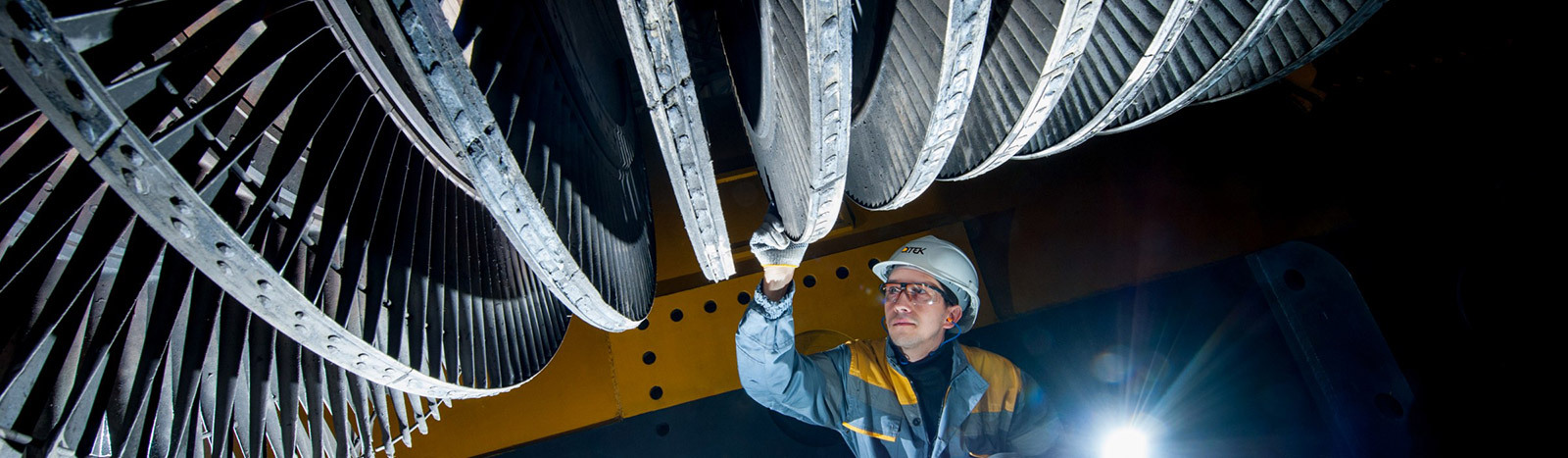
Today, DTEK employs 104 veterans with disabilities. To arrange inclusive workspaces, accessibility audits were conducted at 24 production enterprises of DTEK Energy’s businesses. These include surface facilities of mines, machine-building plants and thermal power plants. In 2025, DTEK Energy implemented Ukraine’s first unique pilot project to create an inclusive space on the surface of a mine.
“During my service, I lost a lower limb and thought I would never be able to return to work at the mine where I had worked for many years before defending the country. But the enterprise offered me a position and working conditions that could be combined with my functional capabilities. I am now repairing production equipment on the surface of the mine and helping support the energy system so that, despite enemy attacks, the country has light and heat,” recalled Ihor Voinyi, a DTEK Energy veteran.
The name of the tool — “MOZHU/I CAN” — reflects its main idea: shifting the focus from a person’s limitations to their opportunities. It is within this logic that DTEK as a whole is developing its programme to support male and female veterans and help them return to professional fulfilment based on the principles of accessibility and inclusion.
Since the beginning of the full-scale invasion, more than 5,700 DTEK employees have taken up arms to defend the country. Of them, 500 have already returned to their workplaces after service. Another 200 veterans have joined the company from the labour market.