EN
UA


Veteran Support
Veteran Support
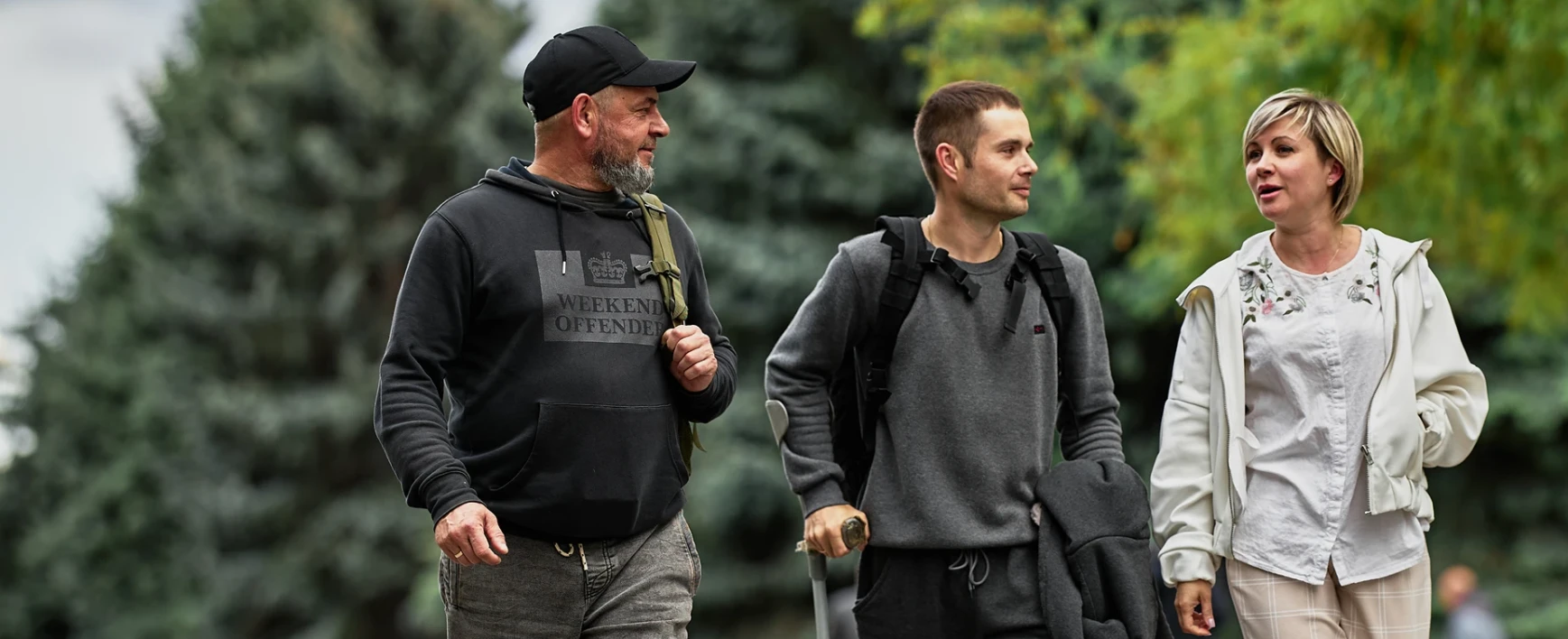
At DTEK Energy, supporting veterans is an integral part of our corporate culture and our responsibility to those who have defended Ukraine. Since the beginning of the full-scale invasion, nearly 5,000 company employees have joined the ranks of Ukraine's defenders.
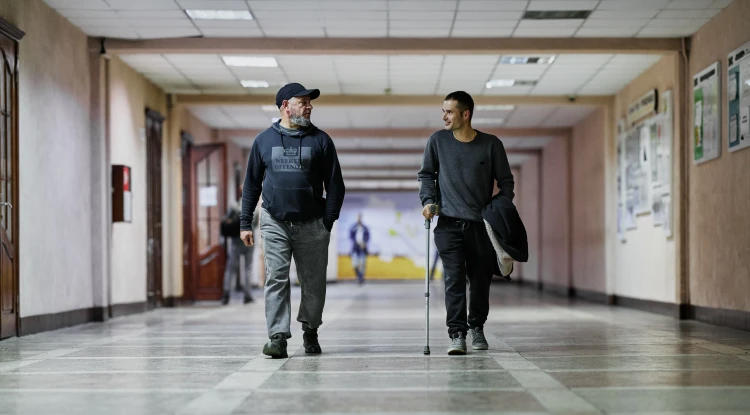
Today, DTEK Energy employs more than 500 veterans, including colleagues who have returned to work after military service and those who joined the company after completing their service. Among our employees are also nearly 70 veterans with disabilities.
The company is committed to creating an environment that supports veterans in their return to work, recovery and professional development. To this end, DTEK Energy has introduced ProVeteran, a comprehensive support programme designed to help veterans adapt to civilian life and address their diverse needs after military service.
As part of the ProVeteran programme, veterans can access psychological and legal support, receive assistance from a dedicated veteran coordinator, benefit from extended Veteran+ health insurance, and participate in health recovery and rehabilitation programmes. For those seeking a new career path after military service, the company also provides opportunities for professional retraining and reskilling.
However, support extends beyond individual services. DTEK Energy is systematically adapting its industrial facilities, workplaces and working conditions to enable veterans to return to professional life in an environment that accommodates their individual needs and functional abilities.
Inclusive Workplace Environment
Returning to work starts with an accessible and safe environment.
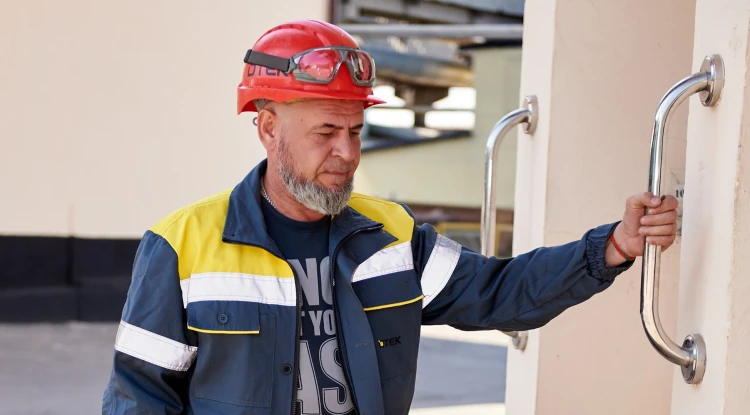
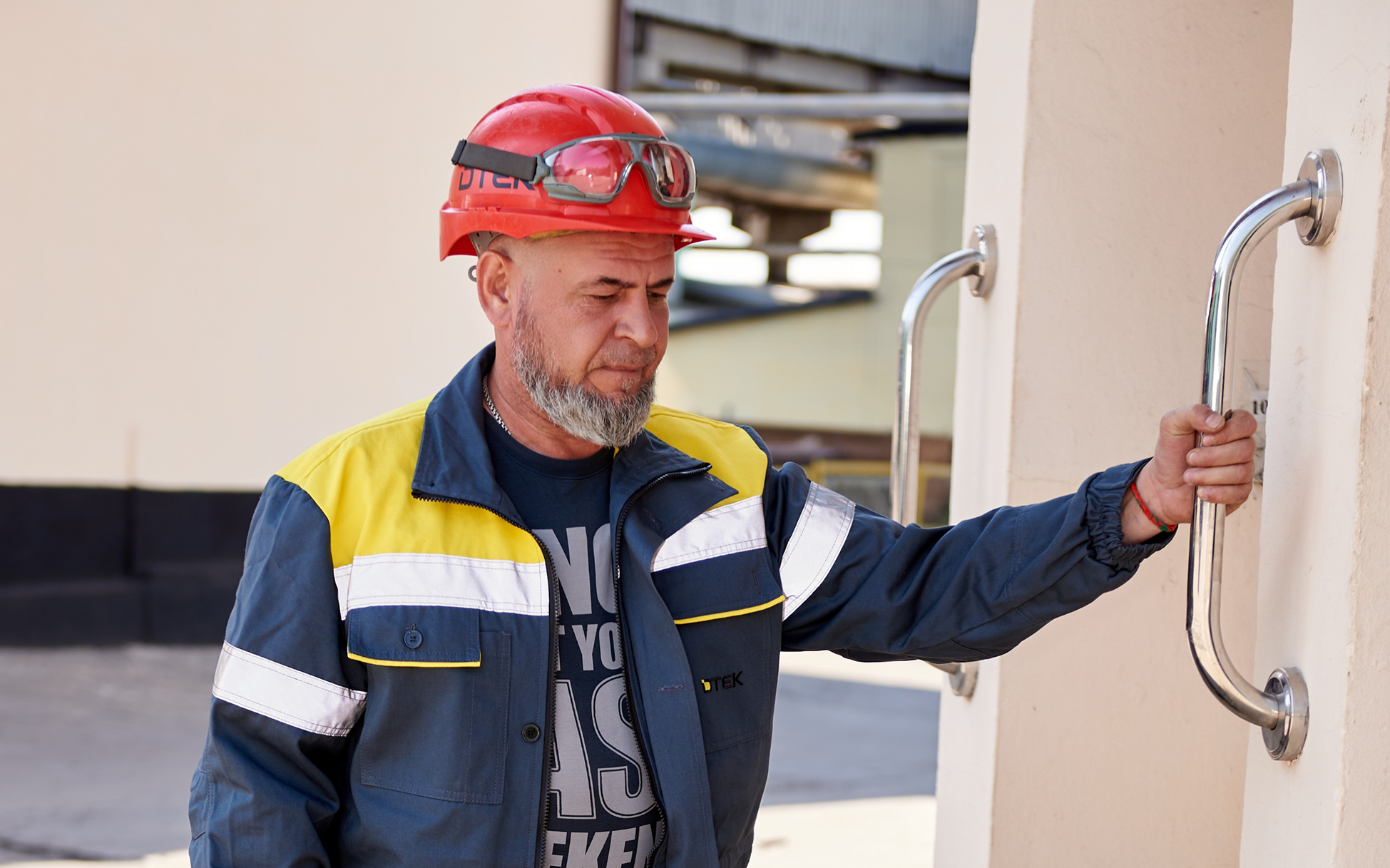
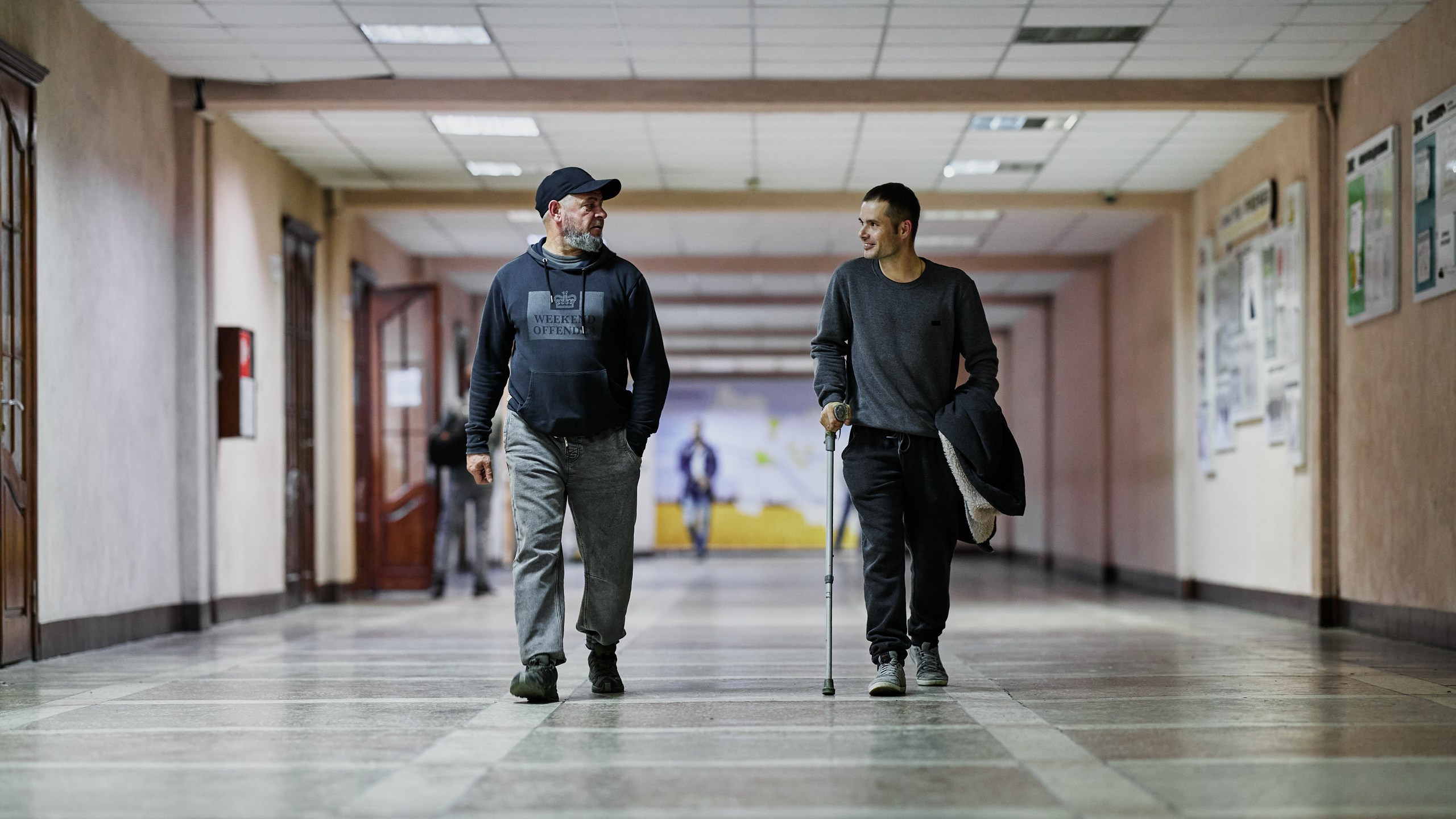
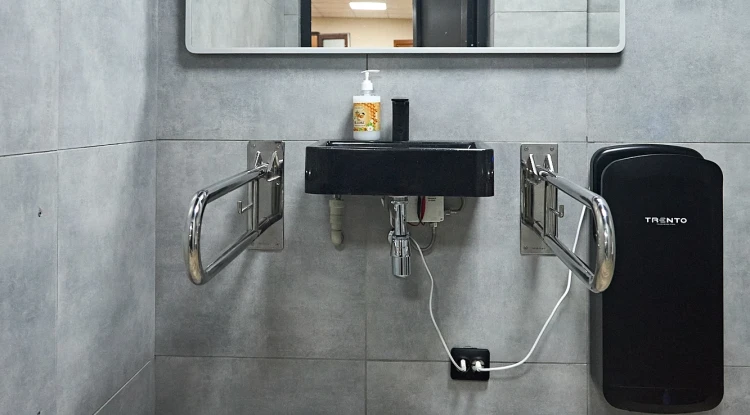
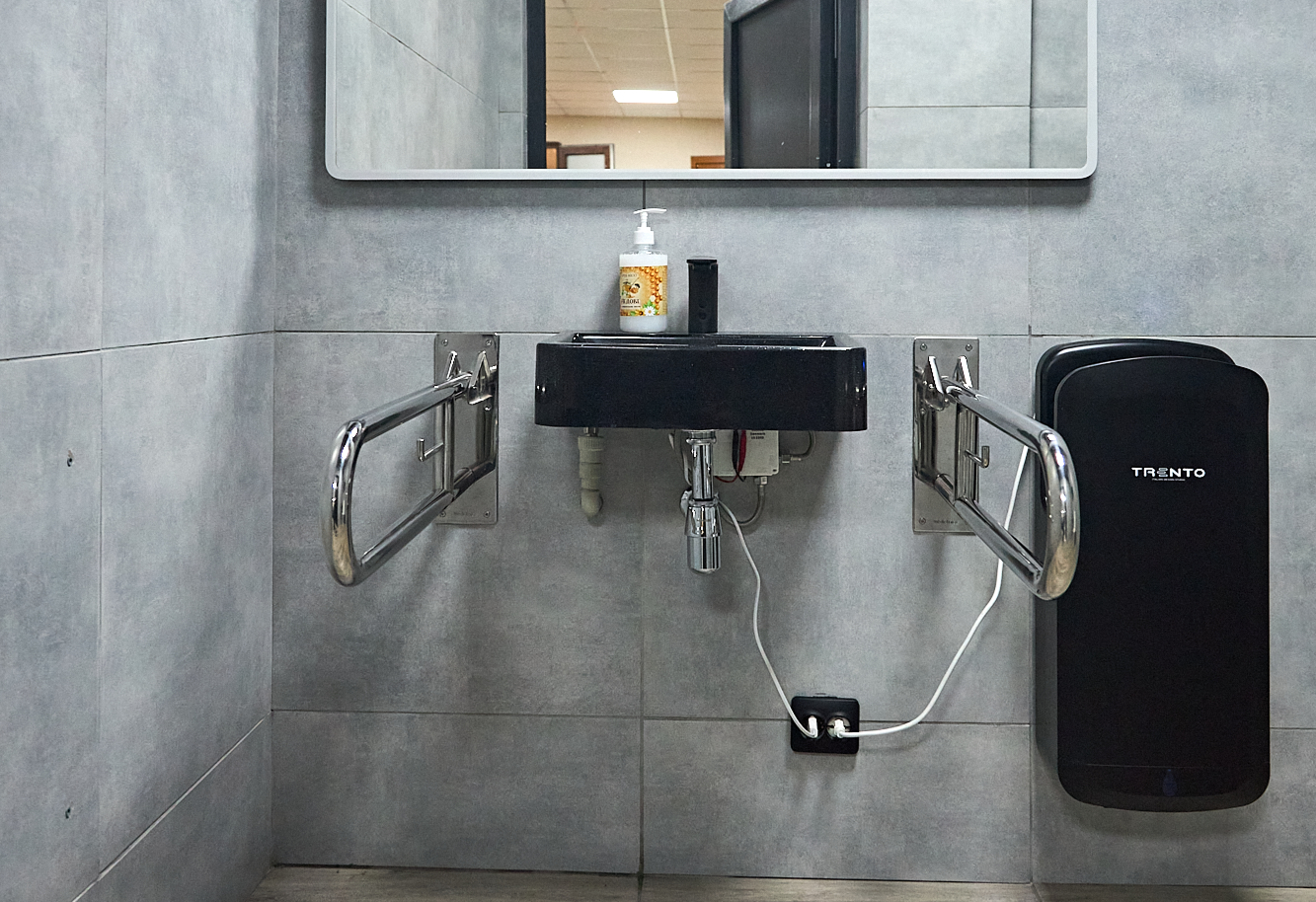
In 2025, DTEK Energy implemented a pilot project to create an inclusive environment at the surface facilities of one of its mines in the Dnipropetrovsk region. Handrails were installed, toilets and showers were adapted, hazardous areas were marked with high-contrast signage, and other accessibility improvements were introduced.
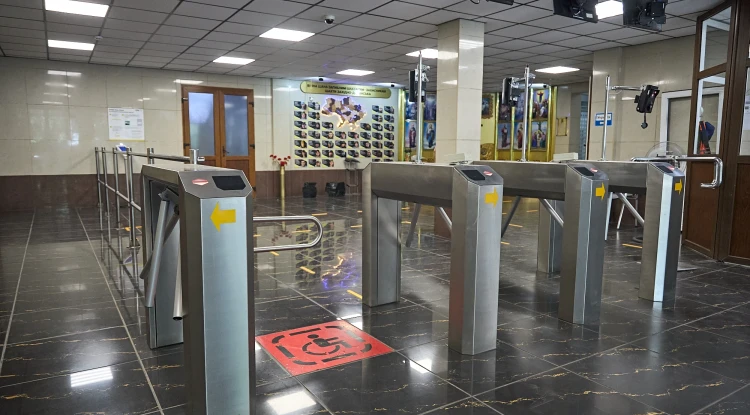
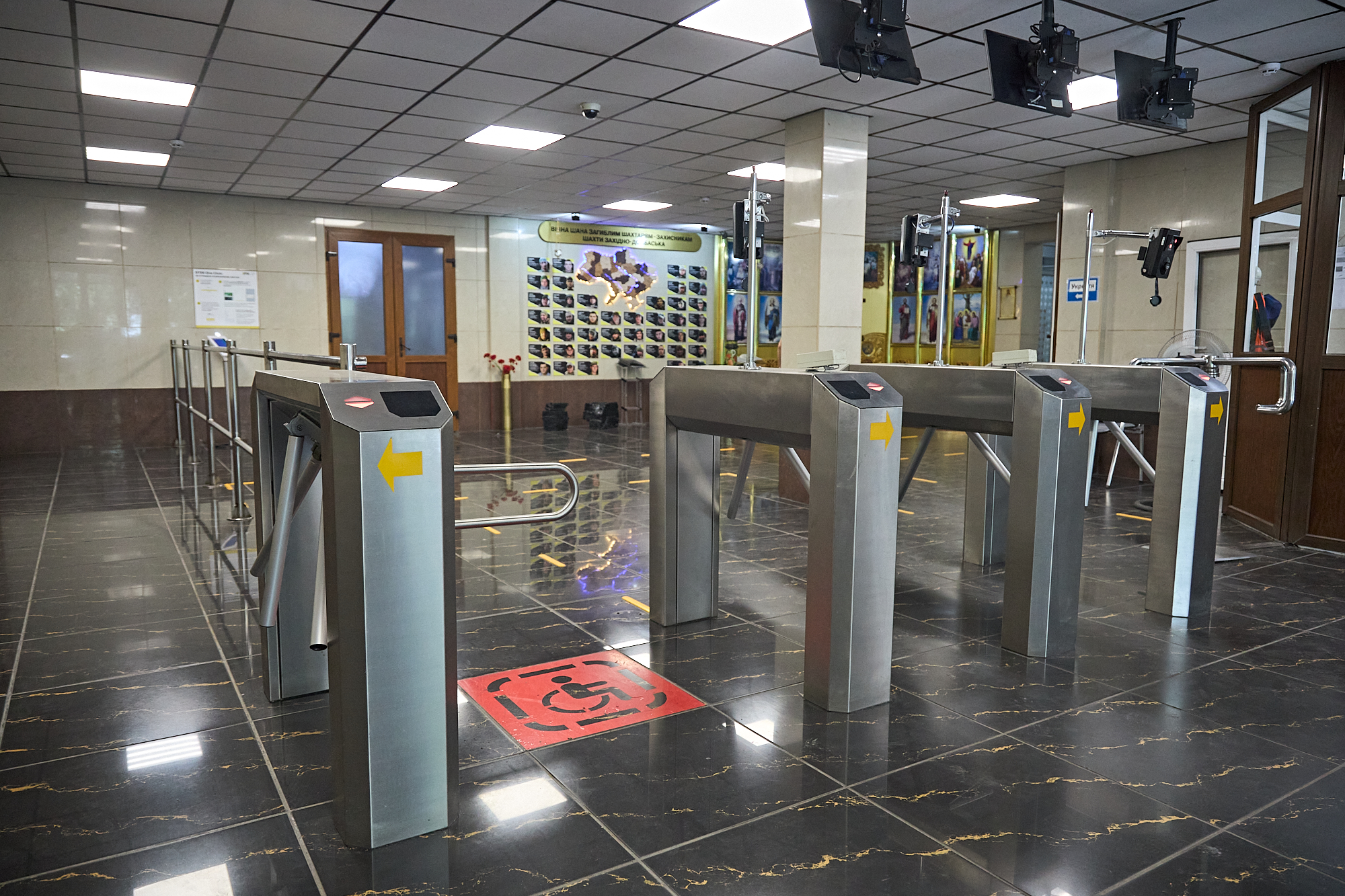
The next step was to implement inclusive solutions at the surface facilities of another company mine in the region. A ramp and a staff assistance call button were installed at the main entrance, a wider turnstile was introduced at the security checkpoint, and showers and toilets were adapted to meet the needs of people with disabilities.
These improvements enable employees, particularly veterans with disabilities, to move around more comfortably and safely and use both industrial and welfare facilities. The company has already conducted accessibility audits at 24 production facilities, including mine surface facilities, thermal power plants and DTEK Energy's machinery manufacturing plants.

I CAN: From Limitations to Opportunities
Another key area of focus is helping people find employment opportunities that match their experience, skills and functional abilities.
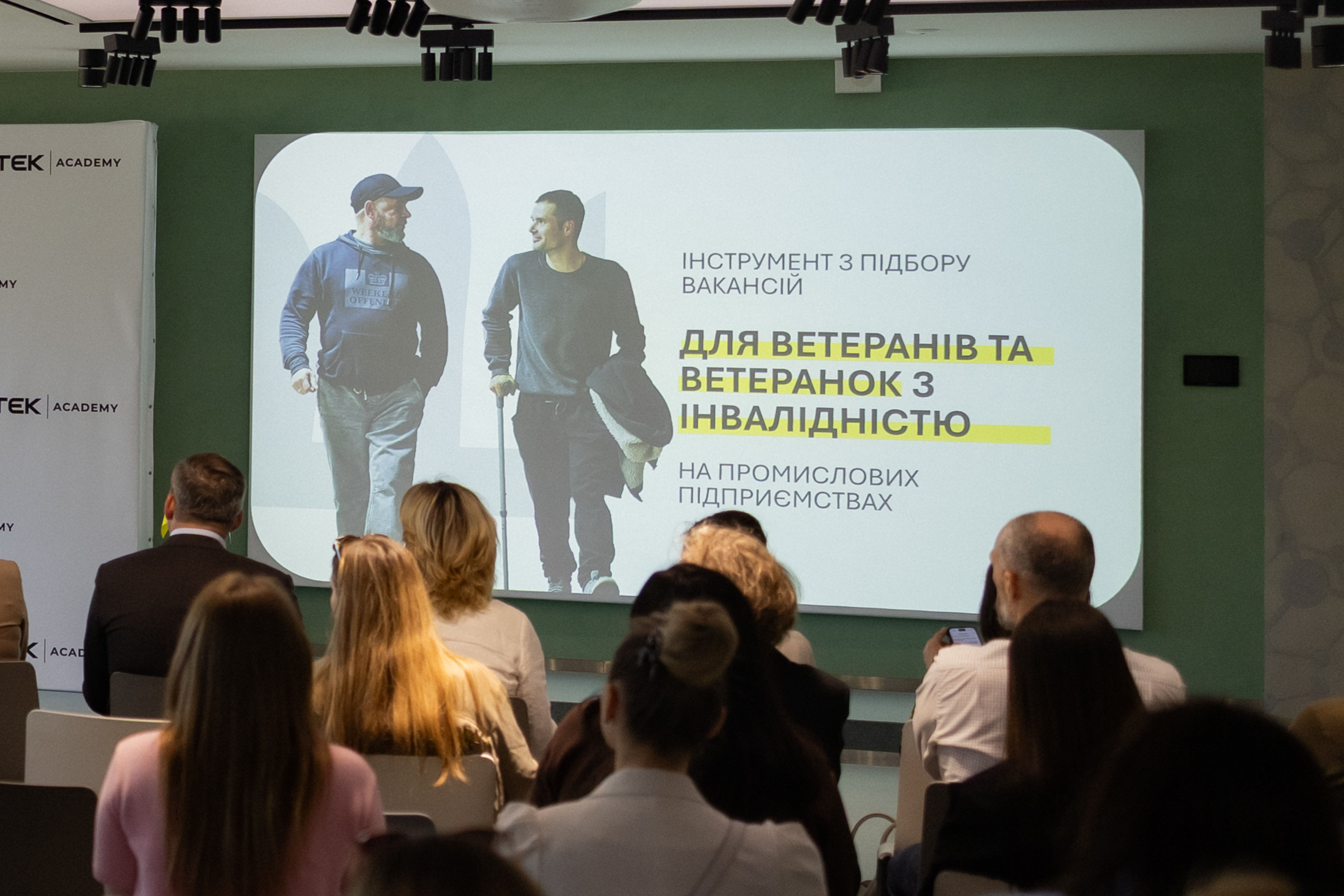
To support this, DTEK Energy, in partnership with D. Service, has developed I CAN – a first-of-its-kind solution in Ukraine designed to match people with disabilities, including veterans, with suitable job opportunities.
I CAN helps identify suitable job opportunities based on an individual's medical assessment, functional abilities, knowledge, skills and professional experience, as well as the specific requirements and conditions of each workplace. An HR specialist enters relevant information from the person's medical records and selects a region or company site. The system then automatically analyses the data and identifies suitable vacancies.
A key feature of the tool is its ability to translate complex medical classifications into practical information that industrial companies can use to assess workplace requirements. This approach shifts the focus from a person's limitations to what they can do, taking into account their experience, capabilities and professional potential.
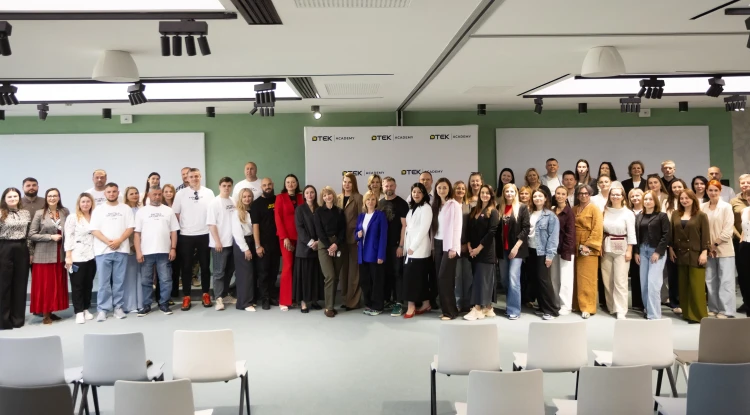
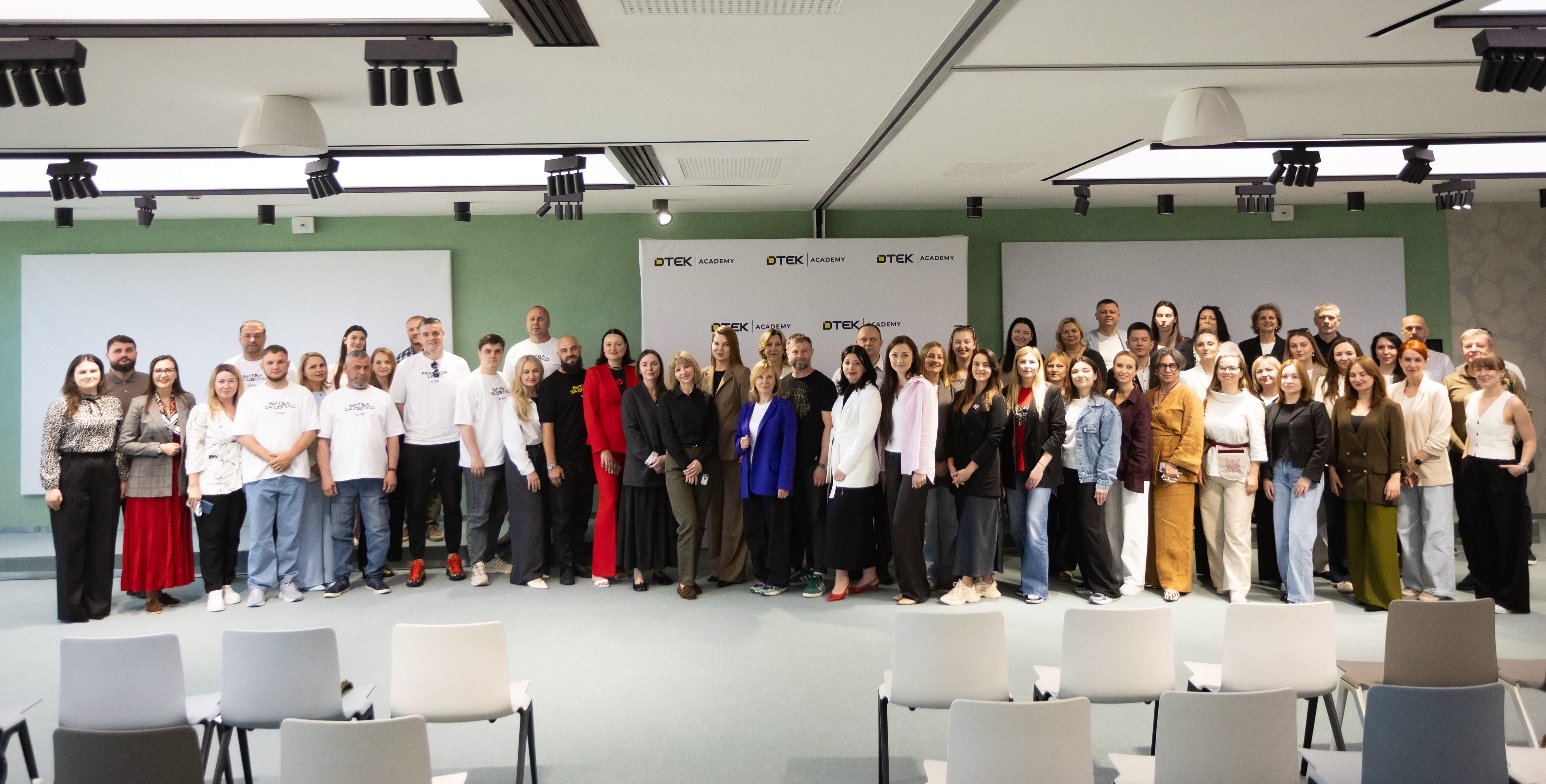
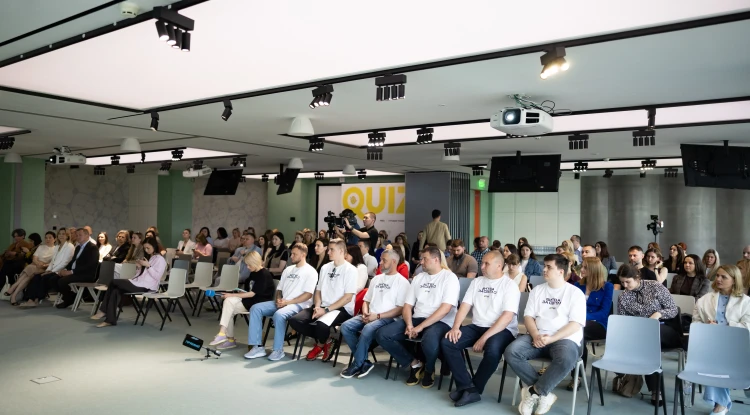
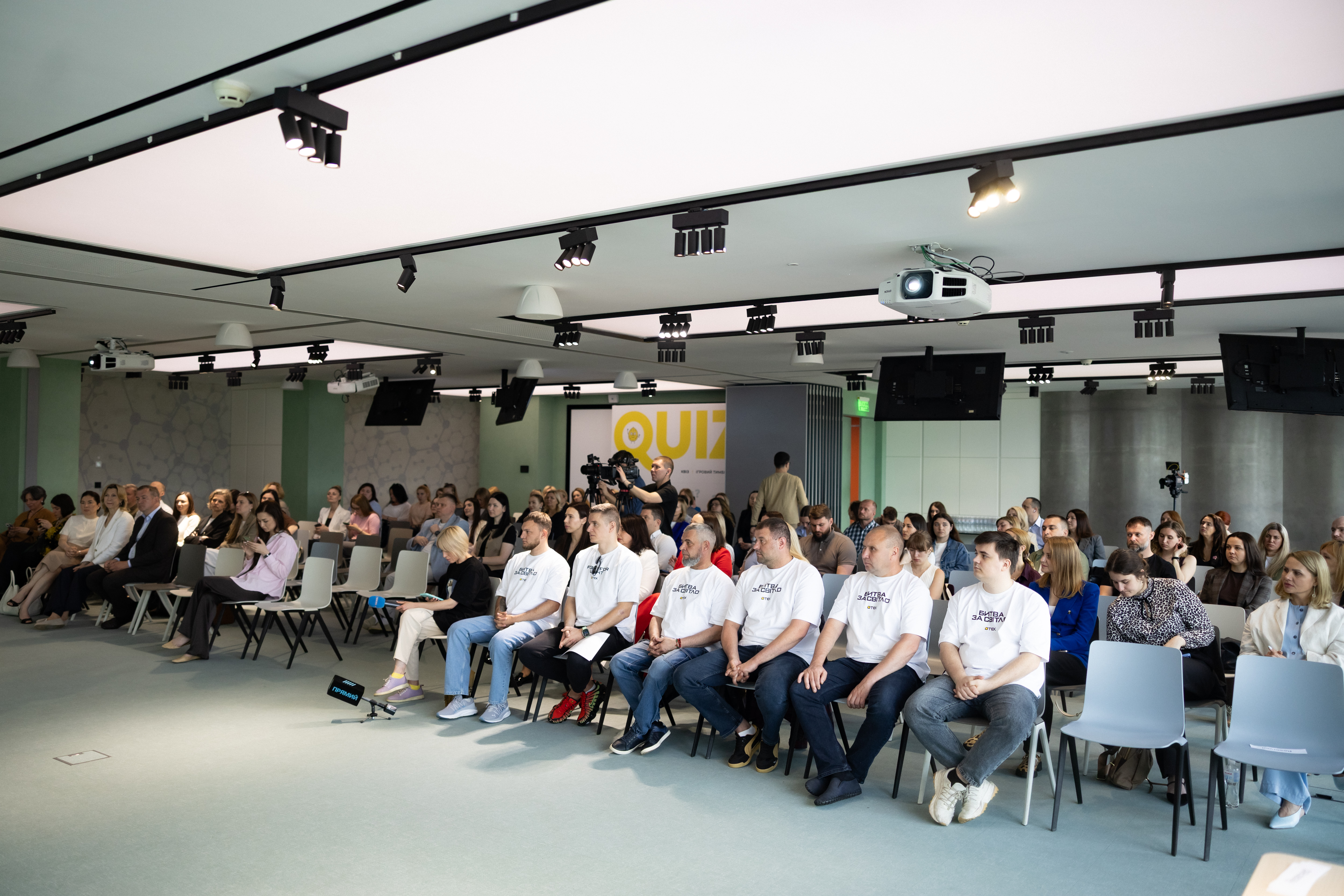
DTEK Energy sees I CAN as more than an internal tool. During its presentation, the company shared its experience with representatives of government institutions, civil society organisations, employment centres and major Ukrainian employers, with the aim of promoting the wider adoption of this approach across Ukraine.
This principle is reflected in the tool's name, I CAN, which emphasises people's abilities and opportunities for professional development and fulfilment.
Adaptive Workwear
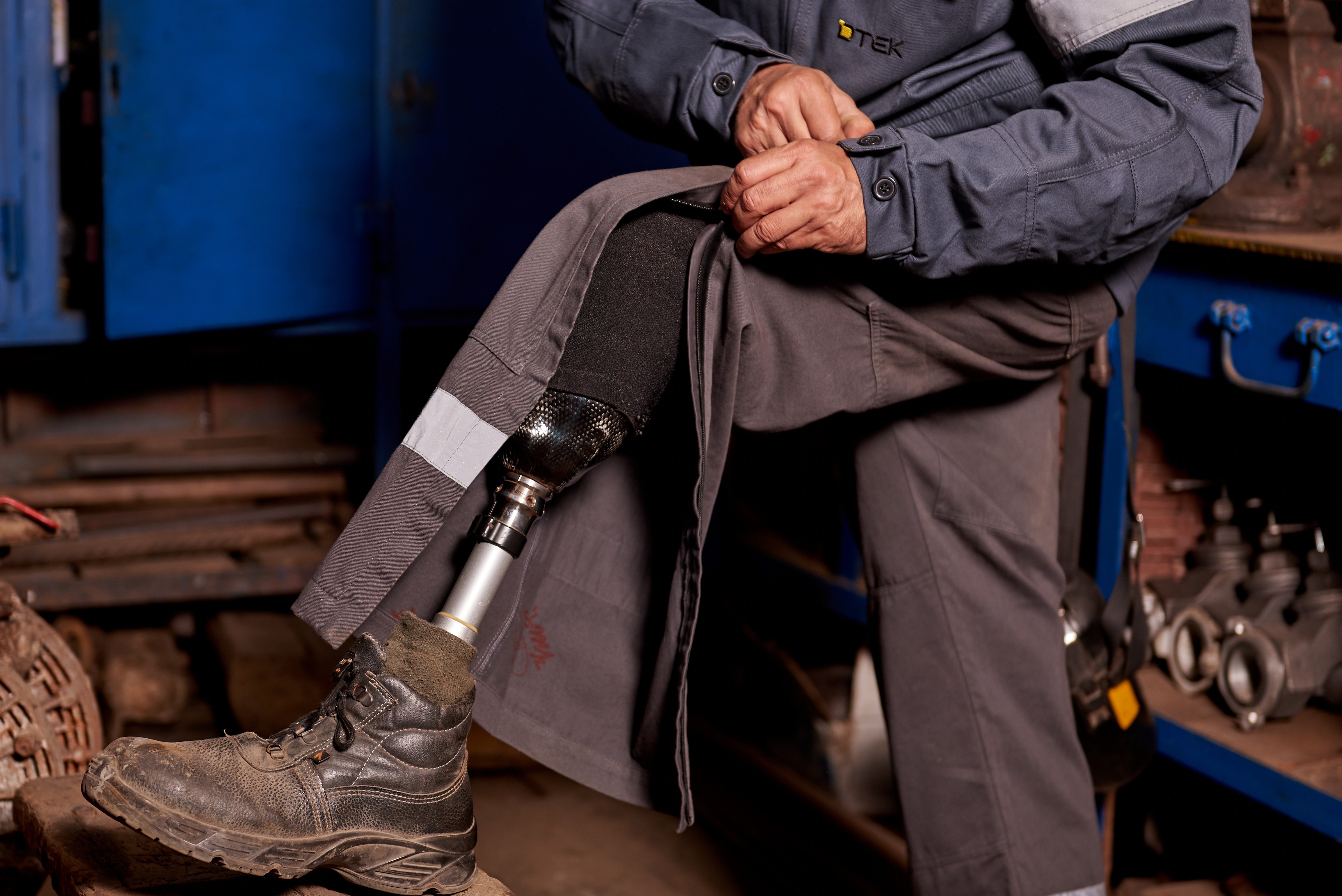
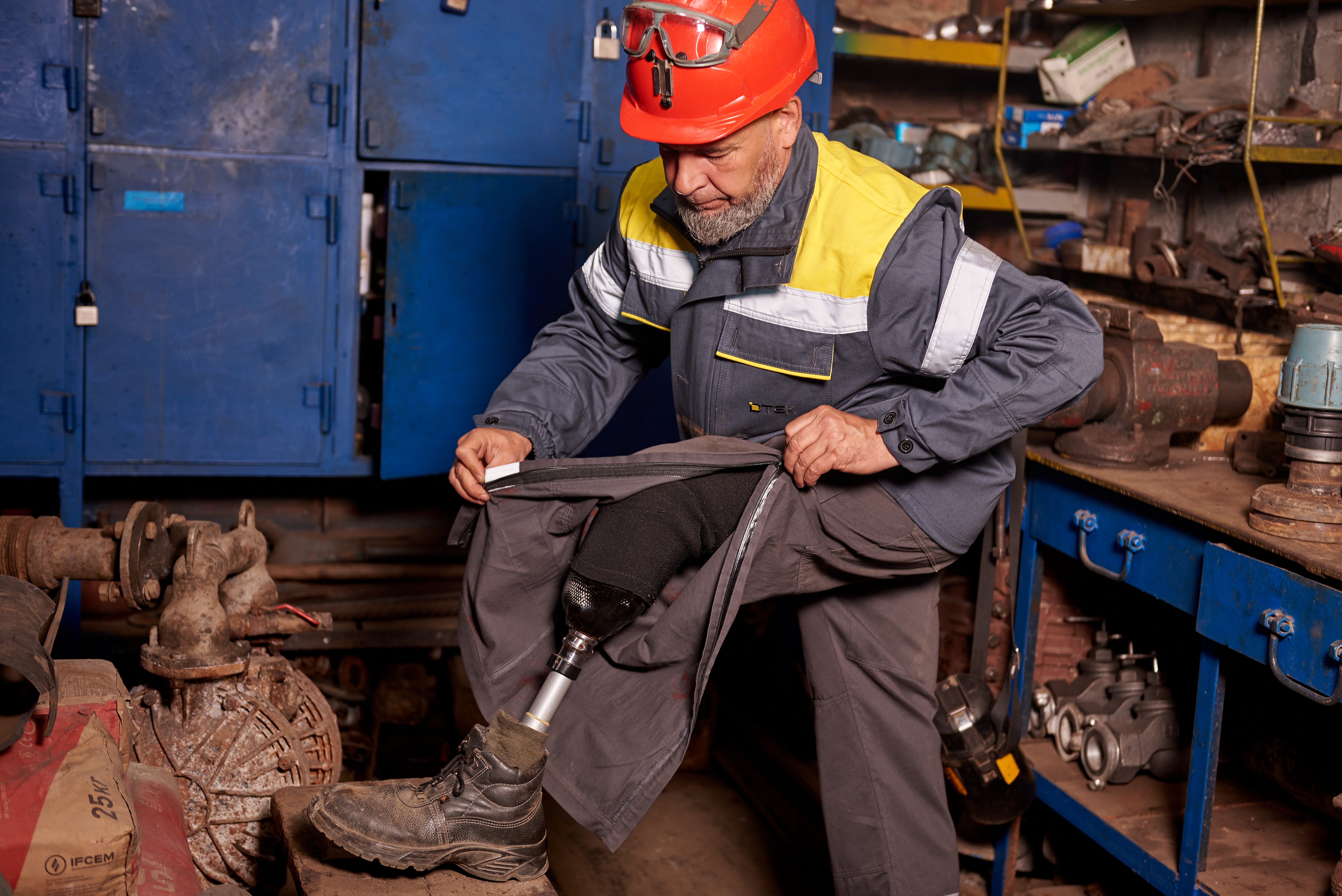
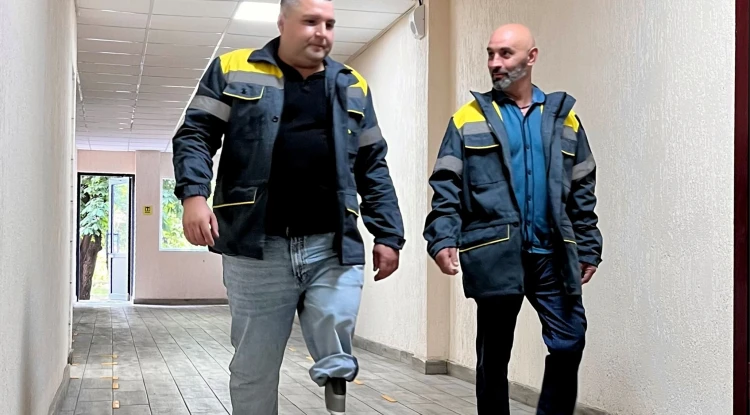
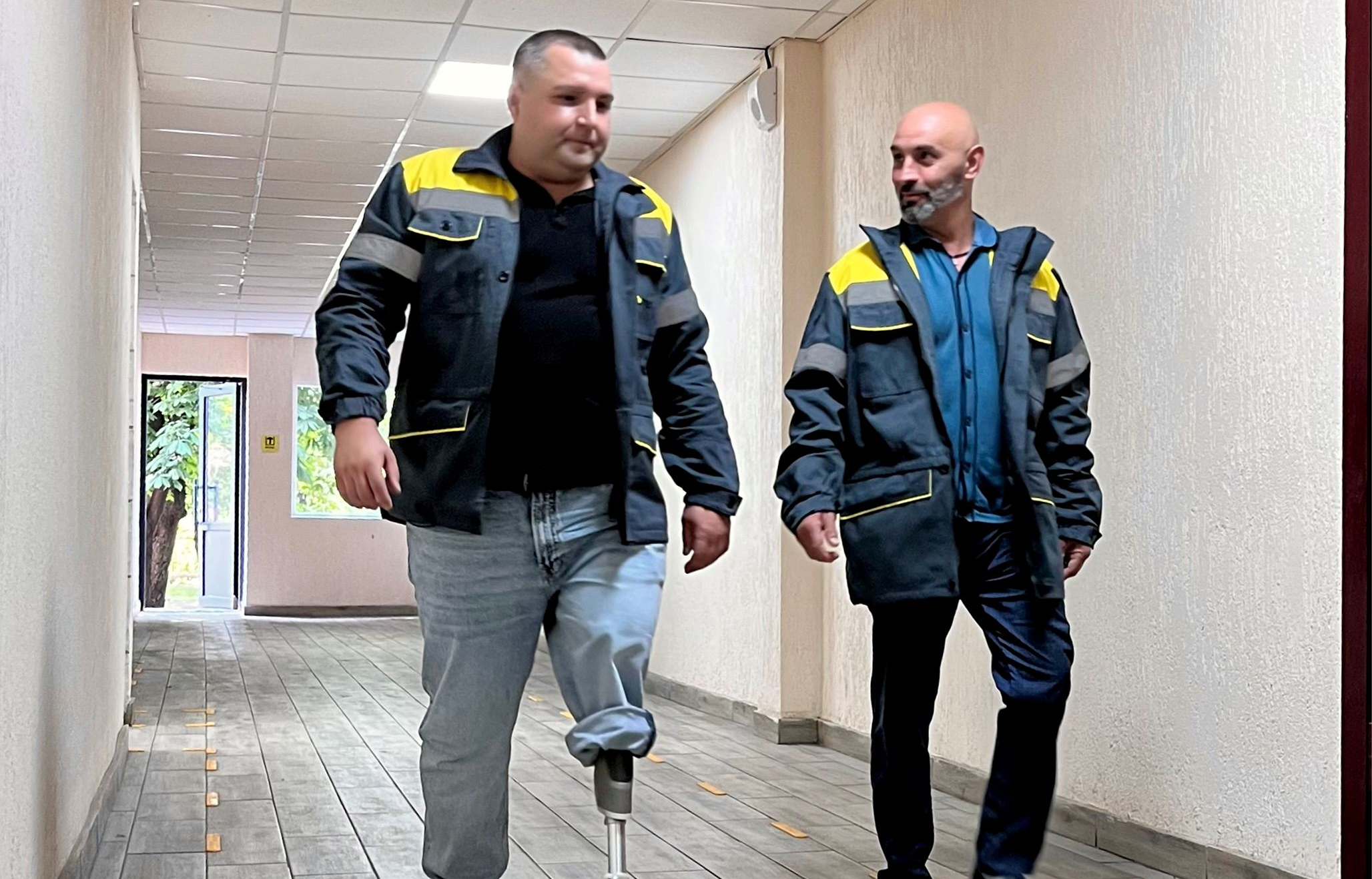
Accessibility goes beyond physical spaces and workplace arrangements. It also extends to the equipment and clothing employees use every day. DTEK Energy is developing adaptive workwear for veterans with disabilities working at its industrial facilities.
The first prototypes, developed in collaboration with Ukrainian brand Juliya Kros, are being tested by miners and power engineers at the company's mines and thermal power plants. Modified designs, adjustments to accommodate prosthetic limbs and easy-to-use fastenings help meet the needs of employees with amputations or reduced mobility. Feedback from participants is used to refine the designs before wider implementation. In this way, workwear becomes not only a means of protection but also an essential part of an accessible working environment.
All these initiatives share a common goal: to enable veterans to return to professional life after military service, work in comfortable and accessible conditions, and discover new opportunities for growth and development.