


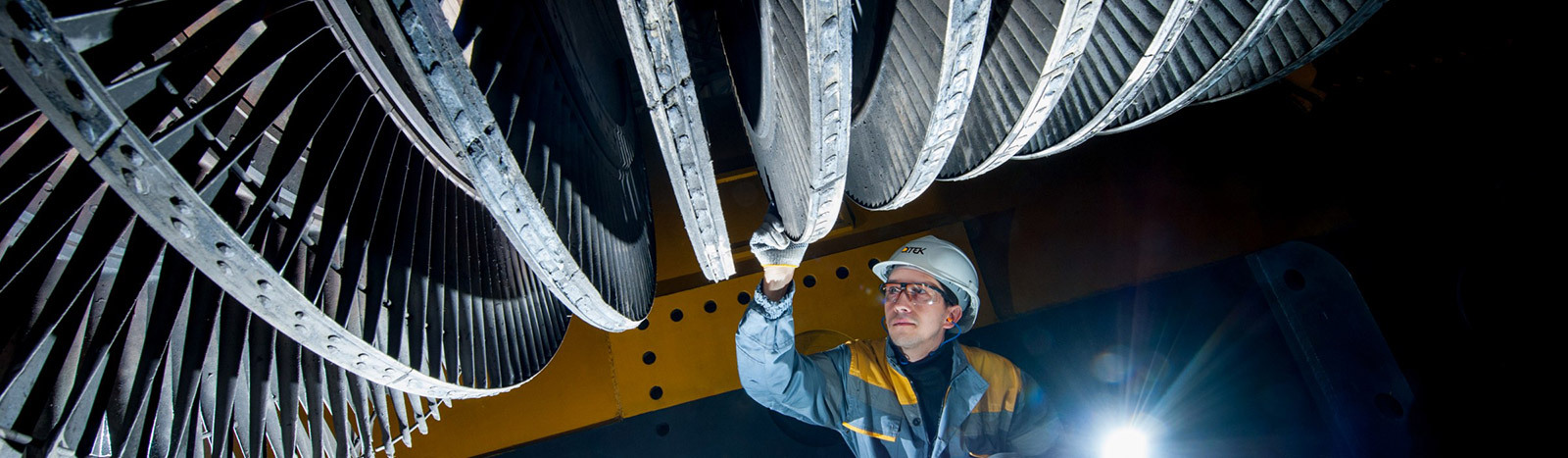
The film tells the story of the last months of operation of Ukraine's oldest thermal power plant, which provided electricity to the Donetsk region for over 80 years, survived World War II, and was destroyed during the full-scale russian invasion. This is a story about people who risked their lives to save the country's energy capacity and preserve resources that are now used at other energy facilities.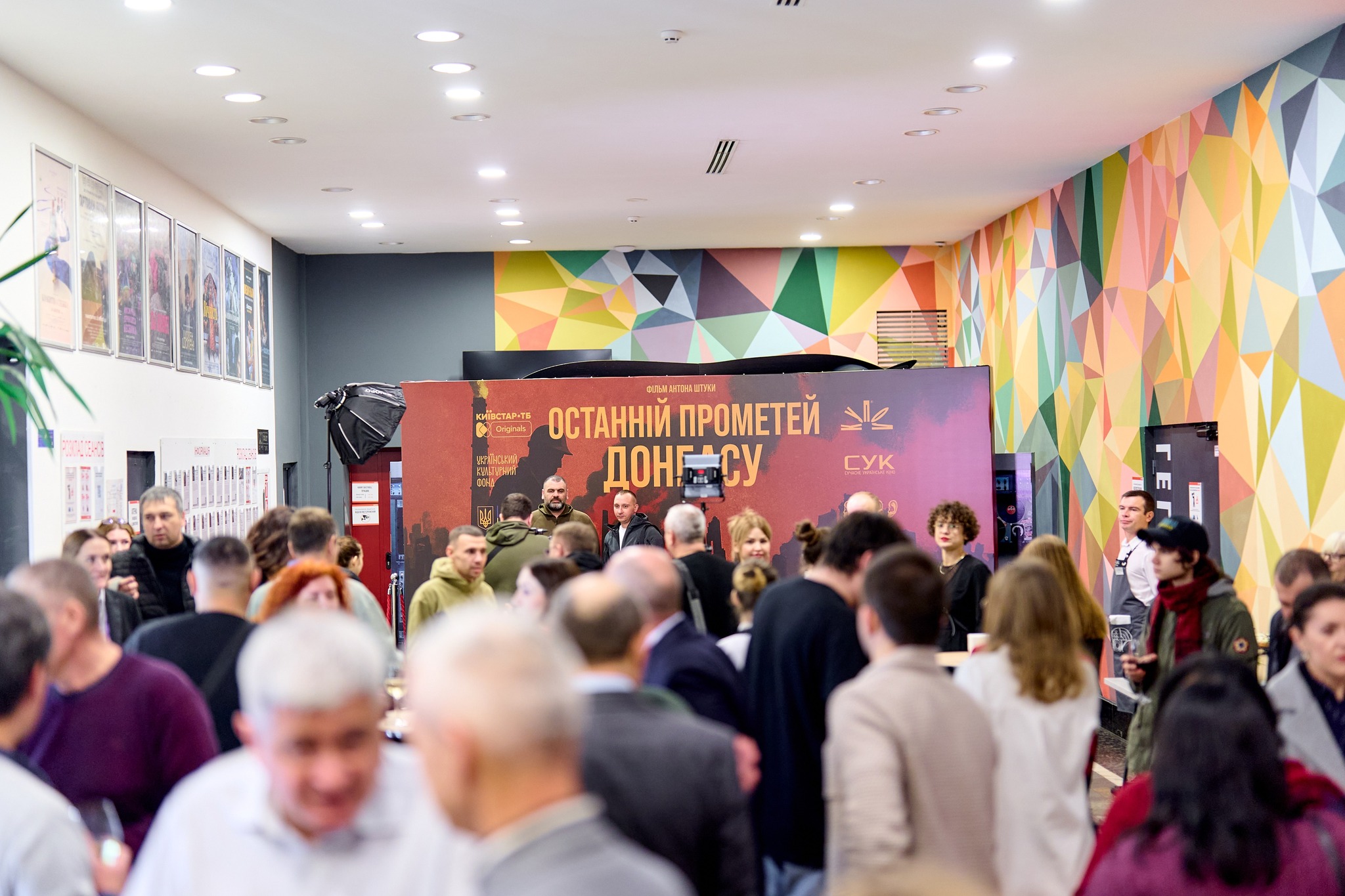
The event was attended by the energy workers who are the heroes of the film and other former employees of Kurakhivska TPP, representatives of the media and cultural communities, as well as military personnel and veterans.
The event featured an exhibition of artefacts that the power plant employees took with them in the last days before the TPP was shut down: tools, equipment parts, photo archives, etc. These items have become symbols of the power plant's history and human resilience — what remains of the Kurakhivska TPP after months of shelling.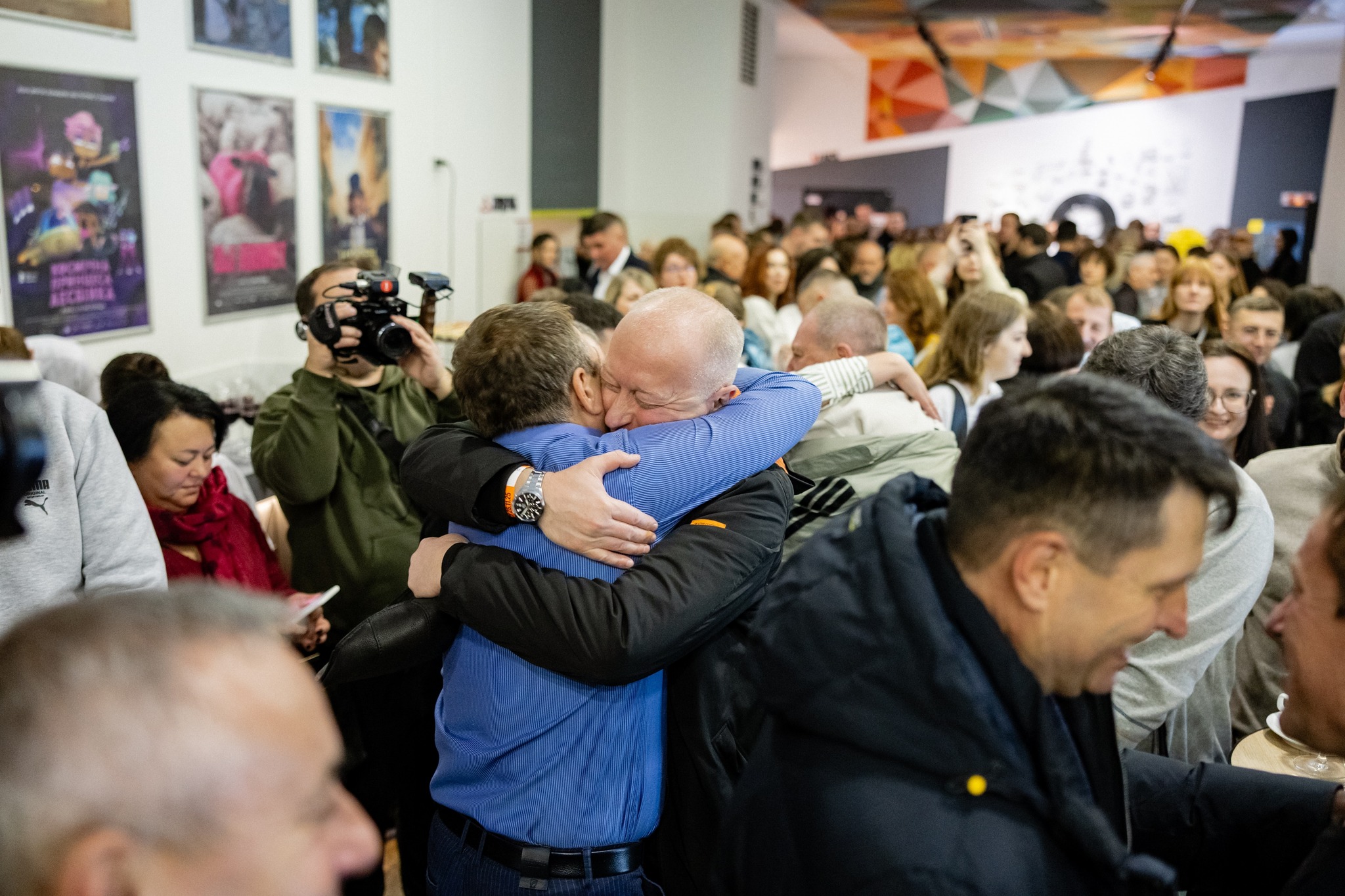
After the screening, the film's characters shared their memories of the plant's last months of operation, the evacuation of equipment, preparations for shutdown, and how they continue to work today at DTEK's energy facilities in various regions of Ukraine.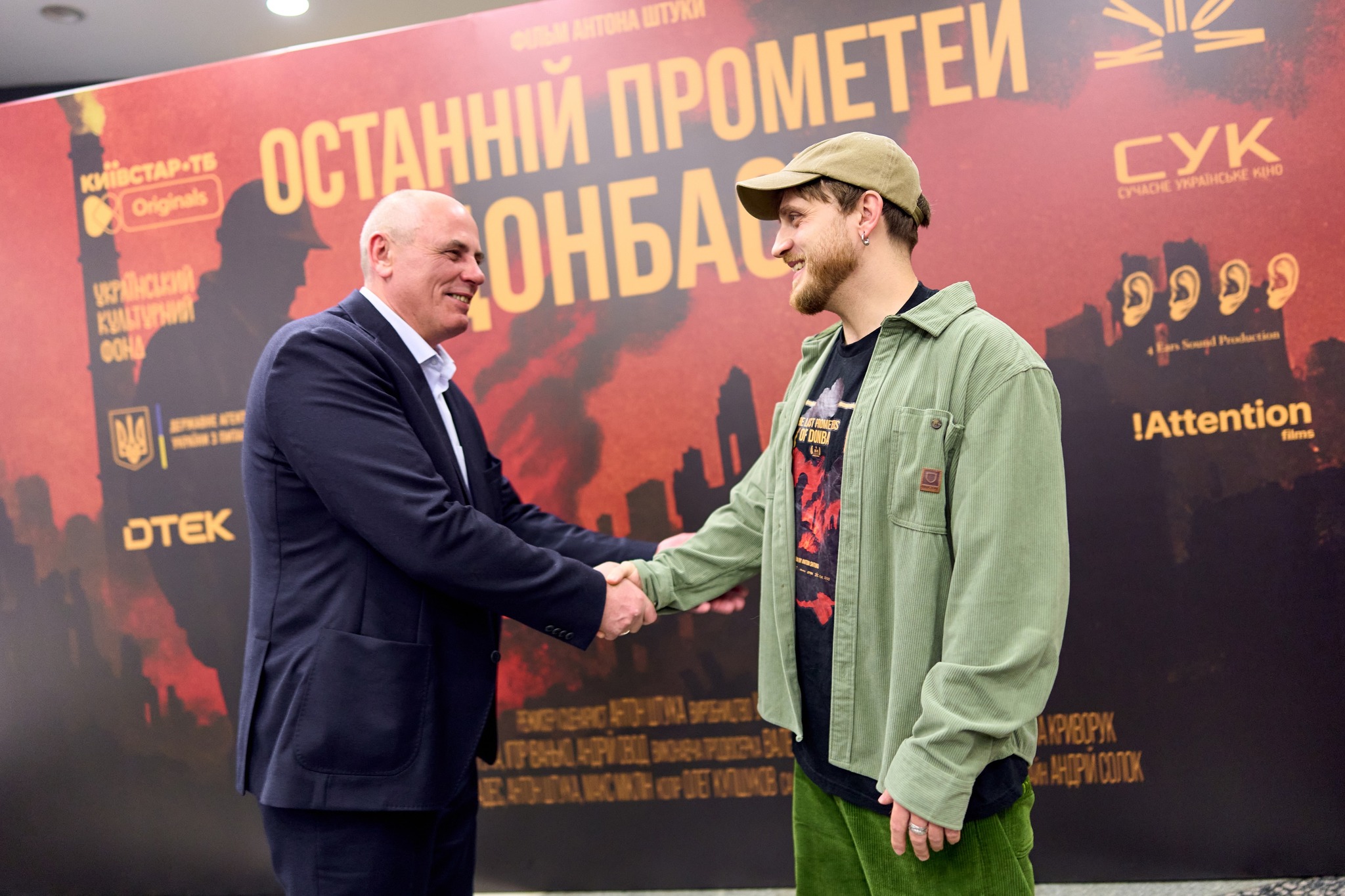
Anatolii Borychevskyi, former director of Kurakhivska TPP, said: "This plant was part of our lives. We understood that every day of work, every kilowatt, meant light for people. Evacuating the equipment was the most difficult challenge, but we knew that we were saving an important resource for the country. Today, these generators and transformers are operating at other power plants and continue to keep Ukraine's lights on."
Oleksandr Fomenko, CEO of DTEK Energy, added: "The energy workers at Kurakhivska TPP did the impossible. Under constant shelling, just a few kilometres from the front line, they kept the plant running and saved half of its equipment, which is now helping to strengthen the power grid. Evacuating this heavy, large equipment in such conditions – under enemy observation, without a railway, which had already been destroyed – was a separate challenge and an example of resilience, professionalism and dedication to their work. Kurakhivska TPP did not die – it gave life to other power plants. We are proud of our people and grateful to the entire team that went through these trials.”
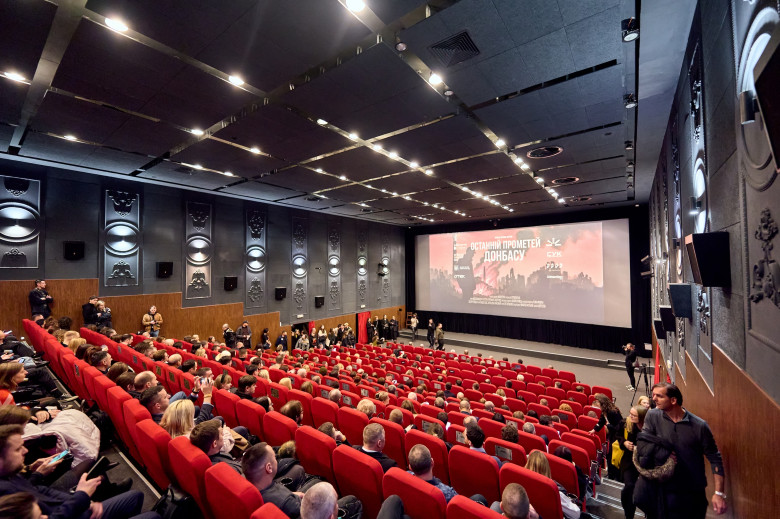
Anton Shtuka, the film's director, said: "The pre-premiere screening was incredible. For the first time in a year, everyone came together: the team and the film's protagonists — people who had scattered across the country after the evacuation. In fact, it was a reunion of a city that is now under occupation. It was a very powerful moment. People saw each other for the first time in a long time, shook hands, hugged — the emotions were real, without any pretension. The hall was packed — over 400 people, some sitting on the steps. It's important for me to hear the audience's reactions, their laughter at certain moments, their tears at others. Seeing a film on such a screen is a completely different experience. And once again, I was convinced that it was all worth it. We took risks, spent a lot of time and energy, not knowing what the outcome would be. It's good that we managed to capture the plant as it was. Because now, unfortunately, it's just history. And this film is the only window through which you can return there.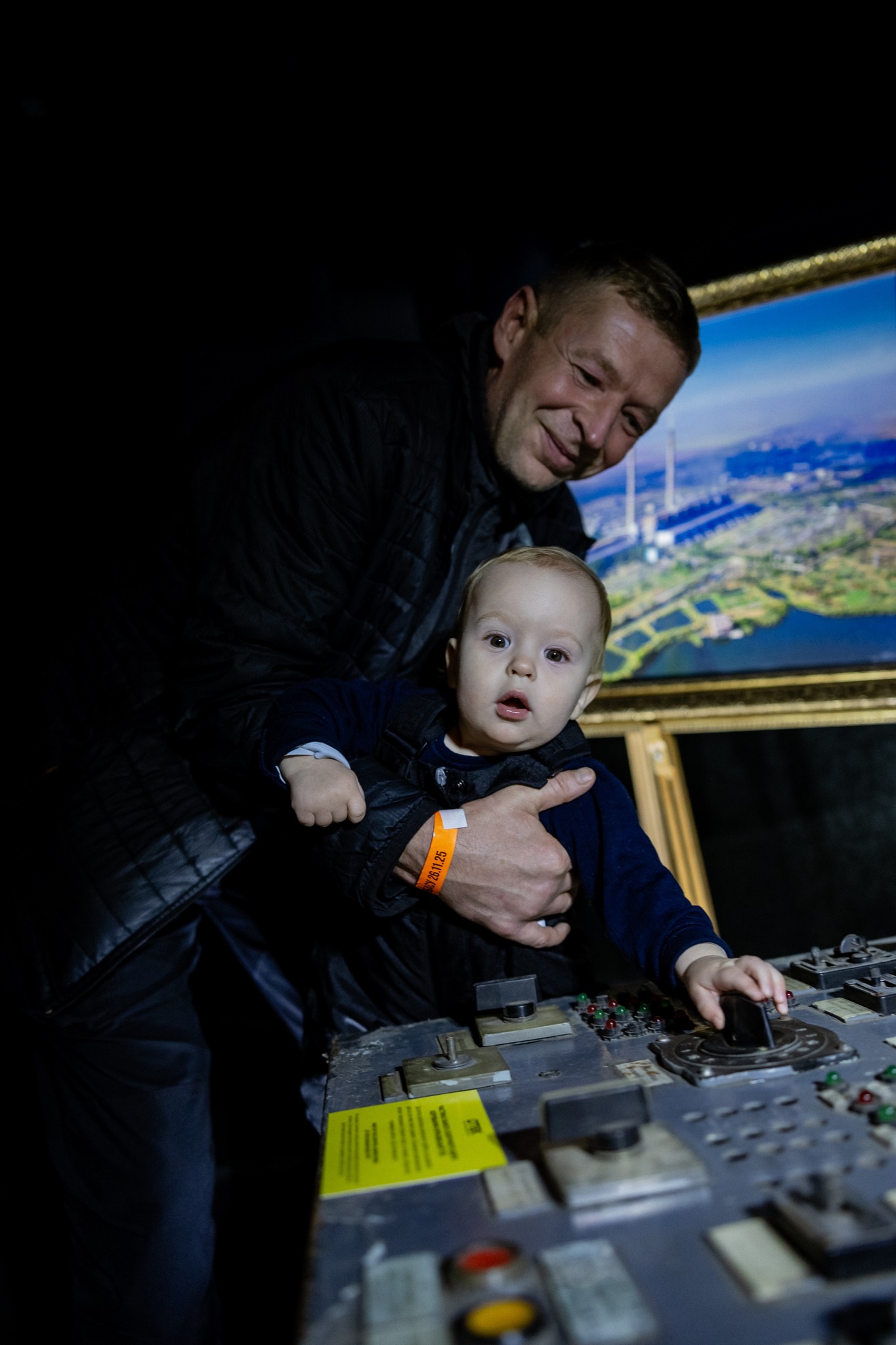
The screening in Kyiv was a preparatory stage before the Ukrainian theatrical release. Keep an eye on announcements and posters to see the film with your own eyes.